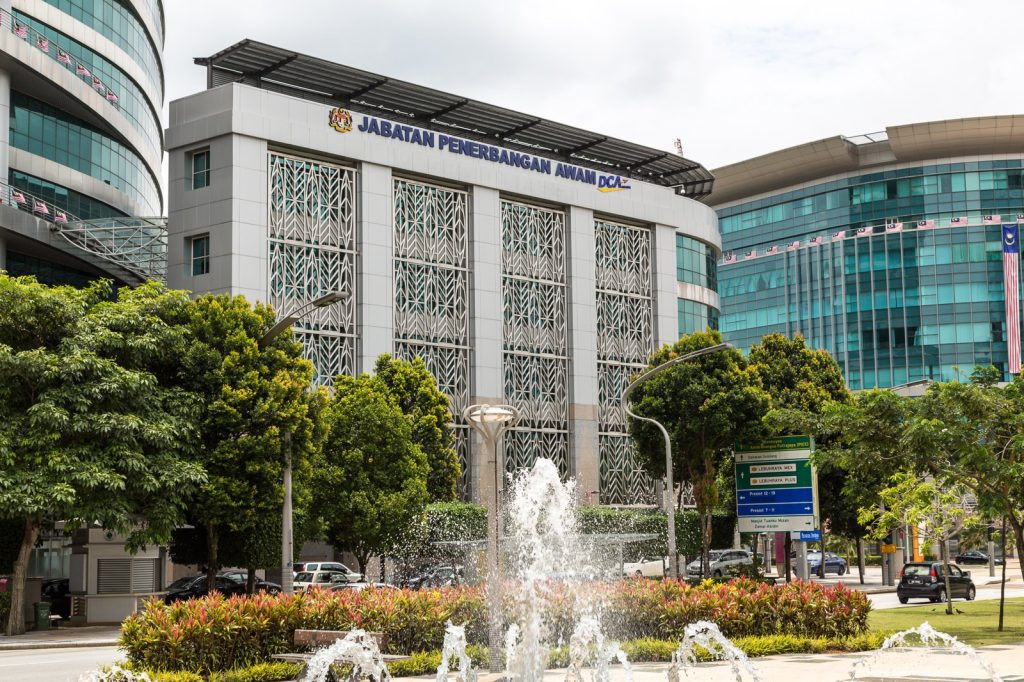
Thirty-four States sent their directors general of civil aviation to Kuala Lumpur in September 2026, and they left with something the region had not had before: a shared way to check whether each government is keeping its aviation promises. The International Civil Aviation Organization, the United Nations agency that set up the meeting, called the framework unprecedented.
The 61st Conference of Directors General of Civil Aviation for Asia and the Pacific opened on 7 September 2026 and ran for a week, according to ICAO’s own news release. More than 450 senior government officials, technical experts and representatives of international bodies and industry took part. ICAO Council President Toshiyuki Onuma and Secretary General Juan Carlos Salazar attended.
The framework covers safety, security, sustainability and capacity-building. ICAO says it will let States measure progress, spot problems and trade expertise and resources, and it ties the work to the agency’s goal of air transport for all by 2050, with zero fatalities and net-zero carbon emissions.
Why the region matters
“To continue expanding, aviation needs the right global policy framework,” Onuma said. He argued that this needs input from Asia-Pacific States, “especially as the region is the world’s largest air transport market.” Salazar said ICAO would keep pushing connectivity and liberalization across the region, and described aviation as a driver of trade, tourism and economic integration.
Malaysia’s Transport Minister, Anthony Loke Siew Fook, said his country wants to become a regional aviation hub. He named safety, modernization and partnership as its priorities.
What delegates committed to
Beyond the commitments themselves, the meeting produced 44 recommendations and acknowledged 21 related issues and priorities. ICAO said progress will be reviewed at next year’s conference in Laos.
On safety, the directors general agreed to tighter oversight and risk management and to line up national policy with regional targets. They backed wider use of ICAO-recognized safety programmes, stronger data-sharing agreements and closer scrutiny of lithium battery shipments. Other items were new crew resource management standards, fatigue risk management, aeromedical safety, civil-military coordination and interference with satellite navigation.
Security measures include cybersecurity, joint steps against threats from unmanned aircraft and shoulder-fired missiles known as MANPADS, and protection of cargo and mail networks. States will also adopt digital border identity systems, advance passenger data programmes and updated protocols for inadmissible passengers.
On climate, ICAO said the delegates reaffirmed the net-zero aspiration, agreed to strengthen State Action Plans and to deploy Sustainable Aviation Fuels and Lower Carbon Aviation Fuels, and renewed support for CORSIA, the global market-based measure on carbon emissions.
Air traffic is the other thread. Delegates agreed to move forward with the Asia-Pacific Air Navigation Plan, ease airspace and airport capacity limits, and speed up trajectory-based operations and artificial intelligence in air traffic management. Training cooperation and instructor development will expand, with more openings for women and under-represented groups.
A side event looked at the problems of Small Island Developing States, and ICAO said an updated Pacific programme for those States was presented at the conference.
Sources
- /APAC/dgca-conference
- Asia-Pacific aviation leaders agree on landmark measures to improve safety, sustainability and accountability (ICAO news release)