
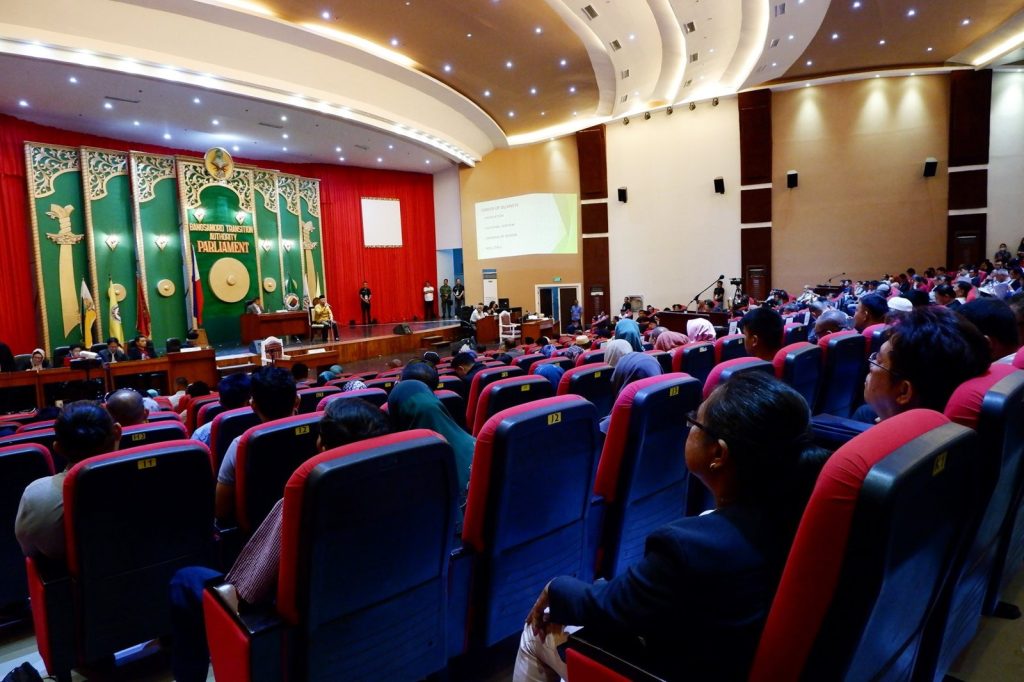
The Bangsamoro region has waited years for its first parliamentary election, and the date keeps moving. As The Diplomat reported in March, the Philippine Congress had just approved on final reading a bill setting the vote for September 2026. It still needed the president’s signature.
Clarity on the calendar did not settle the legal questions. Petitions before the Supreme Court challenge both the structure of the Bangsamoro transitional government and the rules for the election.
Redistricting and the courts
In January, the Bangsamoro Transition Authority (BTA) Parliament passed a new redistricting law. It was meant to comply with a Supreme Court ruling from the previous year that struck down the earlier districting and required elections by 30 March 2026. Constraints that followed the new law’s passage led the Commission on Elections to push the polls later in the year.
The Moro Islamic Liberation Front (MILF) does not oppose elections. It does worry that the new law has weaknesses similar to those the court found before, under the Bangsamoro Organic Law, which created the autonomous region. One petition asks the court to void several presidential appointments to the BTA, arguing they upset the interim parliament’s political balance. Another seeks to nullify several Bangsamoro laws on parliamentary elections, claiming parts of the districting scheme conflict with the Organic Law and the Constitution. The court has stepped in before: it invalidated districting laws last year, shortly before scheduled elections.
A trust deficit
Behind the legal fights sits strained trust between Manila and the MILF. In March 2025, MILF chair Murad Ebrahim was replaced as interim chief minister by Abdulraof Macacua, another MILF leader who commands the group’s armed wing, through presidential appointment. MILF leaders said the choice was “unilaterally decided” by the national government. In October 2025, the MILF publicly expressed its “loss of trust” in national officials implementing the peace agreement, naming the head of the Office of the Presidential Adviser on Peace, Reconciliation, and Unity.
The chair of the government’s peace implementing panel has since resigned, and the MILF asked for a fully empowered replacement. The government office replied that choosing the panel’s leadership is an internal matter. A coalition of civil society groups, including former members of the government negotiating panel, urged President Ferdinand Marcos Jr. to show “decisive leadership” to “restore confidence in the peace process.”
The International Crisis Group has urged both sides to rebuild trust and warned that social and livelihood packages for decommissioned combatants should not stall. The MILF’s directive last year telling local fighters to stay out of the government’s decommissioning activities was widely read as a sign of strain. The Diplomat’s analysis warned that competition for parliamentary seats could pull local elites toward rival factions and, if tensions deepen, produce isolated violence among former combatants.




