
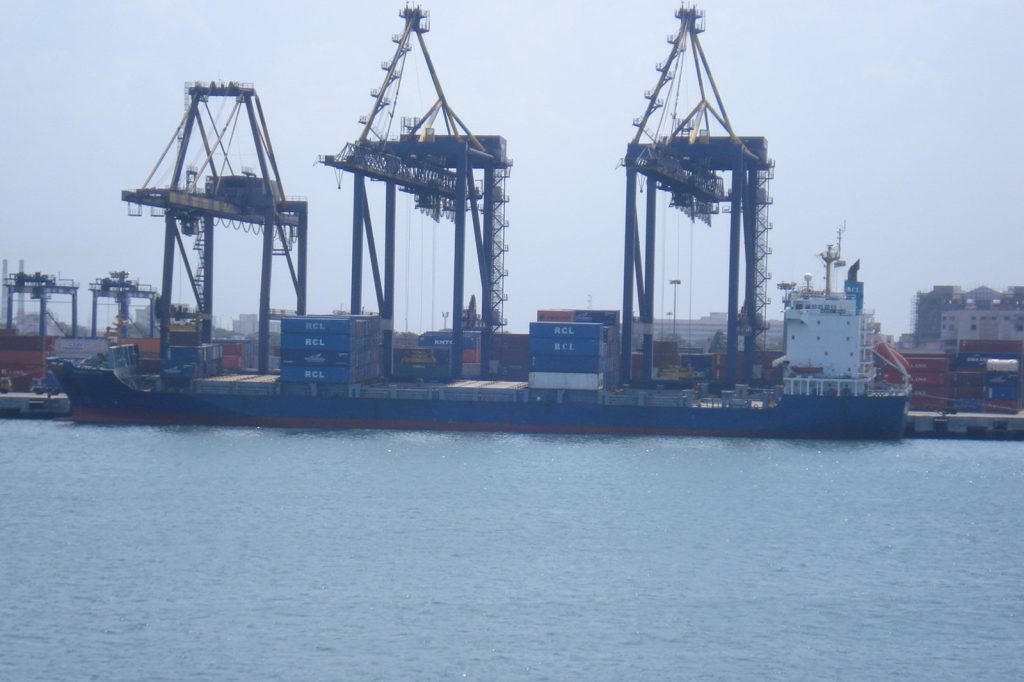
CHENNAI, July 18, 2026 — Tamil Nadu’s near‑100% Memorandum of Understanding (MoU) conversion rate and its third‑place ranking in NITI Aayog’s Investment Friendliness Index place the spotlight squarely on the state’s port infrastructure. Efficient port operations have emerged as a decisive factor in turning investment commitments into ground‑level projects, according to the latest index assessment. The Investment Friendliness Index, compiled by NITI Aayog, ranks states on metrics including business environment, infrastructure, and project implementation speed.
Tamil Nadu’s performance — third among all states — reflects its ability to convert signed MoUs into operational ventures, with the state’s major ports playing a central role in that process. Figures show that the state’s export‑to‑Gross State Domestic Product (GSDP) ratio is 36% higher than the average for major Indian states, a gap that industry insiders attribute directly to the throughput capacity and reliability of its maritime gateways.
Chennai Port, one of India’s oldest and busiest, and Kamarajar Port form the backbone of this trade network. Both ports handle a substantial volume of containerised cargo, bulk commodities, and industrial inputs, linking Tamil Nadu’s manufacturing hubs — automotive, electronics, textiles — to global supply chains. Quick turnaround times at these facilities reduce logistics costs and enable faster project implementation, a key criterion in the NITI Aayog ranking.
Chennai and Kamarajar Ports Anchor Trade
Chennai Port has been operational for over a century and remains the primary gateway for the state’s southern and central industrial belt. Kamarajar Port, located north of Chennai, specialises in bulk cargo such as coal, iron ore, and fertilisers, supporting heavy industries. The index highlights that, alongside a business‑friendly regulatory environment and reliable power supply, efficient port operations are considered a core strength of Tamil Nadu’s investment climate.
The state’s port ecosystem does not operate in isolation. Road and rail connectivity from these ports to inland manufacturing zones is robust, enabling seamless movement of goods.
This integrated infrastructure network underpins the high MoU conversion rate, as investors can move from signing to production without the typical bottlenecks seen in other Indian states.
Export Strength and Supply Chain Impact
Tamil Nadu’s 36% higher export‑to‑GSDP ratio compared to the average for major states is a direct consequence of port efficiency. For a state that hosts global automotive giants, electronics manufacturers, and textile exporters, the ability to move finished goods swiftly to international markets is a competitive advantage. The index report notes that the state’s infrastructure assets enable quick project implementation, which in turn sustains its high export intensity.
Looking ahead, the state government continues to invest in port modernisation and capacity expansion, though specific infrastructure projects were not detailed in the latest index release. Industry analysts expect that maintaining port efficiency will remain a priority as Tamil Nadu competes with other coastal states for foreign direct investment.
For now, the numbers tell a clear story: the combination of legacy port infrastructure and streamlined operations has made Tamil Nadu a benchmark for investment‑friendly governance in India.




