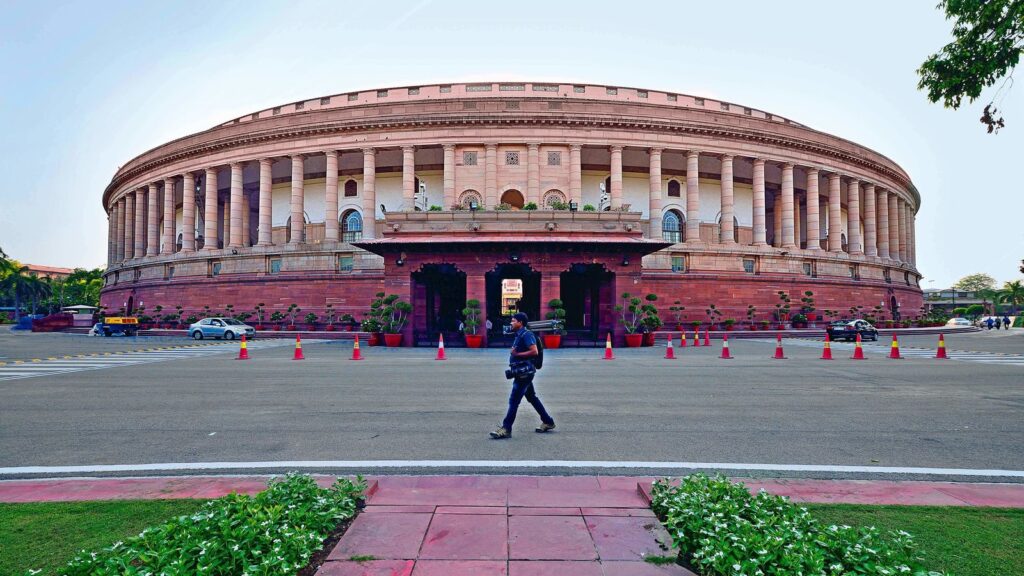
The first case under India’s new criminal code was a motorcycle theft in Gwalior, registered ten minutes after midnight on July 1, 2024. Home Minister Amit Shah cited it when the Bharatiya Nyaya Sanhita (BNS) took the place of the Indian Penal Code of 1860.
The BNS has 20 chapters and 358 sections and follows the old code’s structure. Two companion laws arrived the same day: the Bharatiya Sakshya Adhiniyam replaced the Indian Evidence Act of 1872, and the Bharatiya Nagarik Suraksha Sanhita replaced the Code of Criminal Procedure of 1882.
How the law got through
Shah introduced the first version of the bill in the Lok Sabha on August 11, 2023. It was withdrawn on December 12, and a second version went in the same day. The Lok Sabha passed it on December 20, the Rajya Sabha on December 21, and the President gave assent on December 25.
The government said the aim was to “give justice, not punishment.” Shah said that about 77 years after independence the system was “becoming completely indigenous.”
What changed
The BNS adds 20 offences and drops 19 provisions of the old code. Prison terms went up for 33 offences and fines for 83. Twenty-three offences now carry a mandatory minimum sentence, and six allow community service.
New offences include organised crime, terrorism, cybercrime, financial fraud, human trafficking and environmental pollution. Sedition, long used against critics, is gone. In its place is an offence for acts endangering India’s sovereignty, unity and integrity. For gang rape, the age at which a victim counts as an adult rose from 16 to 18. Police can now hold a suspect for 60 days, and up to 90 in some special cases, up from 15. Serious crime scenes must be video recorded.
Critics
Opposition parties and lawyers said the change could throw the justice system into disarray. P Chidambaram, a Congress MP and former federal minister, said parliament never held a “worthwhile debate” before passing the laws. West Bengal chief minister Mamata Banerjee wrote to Prime Minister Narendra Modi a week before rollout and asked him to defer it. Shah rejected the complaints and said the bills were debated for three months.
Supreme Court lawyer Nipun Saxena told AFP that the laws let police decide whether a case proceeds, a step that used to belong to a judge. He warned that pending cases could grow by 30 to 40 percent.
Others focused on gaps in the text. The BNS keeps the marital rape exception and the phrase “outraging the modesty of women”. It has no provision covering the rape of men or transgender people. Legal scholars called the sovereignty offence ambiguous enough to curb speech or stifle dissent.
Cases registered under the old laws before July 1 continue under them, Shah said. That leaves courts running two systems side by side.
Sources
- Bharatiya Nyaya Sanhita, 2023 – Wikipedia
- Concerns as India replaces colonial-era laws with new criminal codes