
Thailand ranks first in Asean and ninth in the world on Numbeo’s Health Care Index, and it has 65 hospitals accredited by Joint Commission International, the most in the region. Officials are using those numbers to sell a bigger idea: that the country can be a medical and wellness hub, not just a medical tourism stop.
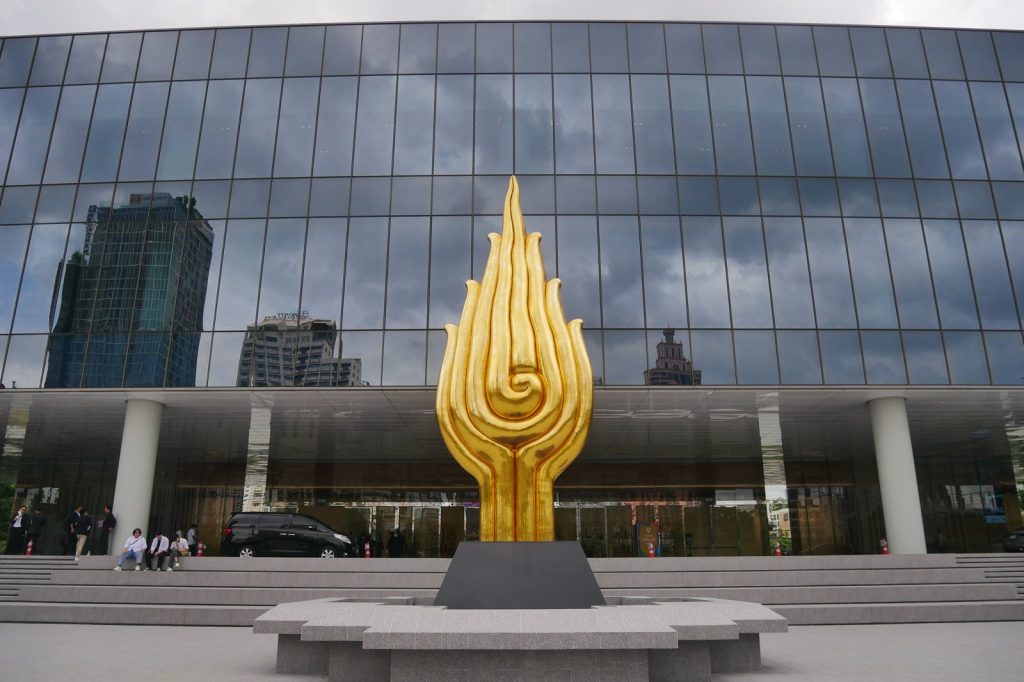
The test comes in Bangkok. International Healthcare Week 2026 runs 8 to 10 July at the Queen Sirikit National Convention Centre, organised by Informa Markets and the Department of Health Service Support (DHSS). It folds four major international exhibitions into one show.
What is planned
Organisers expect 1,200 exhibitors, more than 200 conference sessions and 35,000 square metres of exhibition space, with more than 26,000 visitors. Topics range from medical devices and laboratory equipment to pharmaceutical manufacturing, hospital services, aesthetics and health innovation. There will be business matching, plus features such as the Innovation Stage, Pharma Quest, Consultancy Clinic and a Scientific Poster Competition.
The Global Wellness Institute puts the global wellness economy at a record US$6.8 trillion. Thailand’s own wellness market is estimated at 1.4 to 1.45 trillion baht.
Strengths and weak points
Kanyarat Kuisuwan, who directs the DHSS Office of Integrated Medical Industry Promotion, listed what Thailand has going for it: government policy, universal health coverage, medical and wellness tourism, recognised medical professionals and traditional Thai herbal knowledge. “DHSS is working as a promoter of Thailand’s high-value medical industry ecosystem,” she said.
Krithpaka Boonfueng, executive director of the National Innovation Agency, named the pressures: an ageing society, a shift from treatment toward prevention, non-communicable diseases, unequal access to technology, and the struggle to turn research into products. She sees openings in medical AI, cell and gene therapies, devices, and extracts from Thai biodiversity. She hopes the event helps innovation cross the “valley of death” between research and commercialisation.
Rungphech Chitanuwat of Informa Markets was blunter. Thailand may be slower than competitors on accreditation and mutual recognition with other countries, she said. Its drug trading leans heavily on hospital channels, which can put private operators in competition with the public sector. And approvals can lag: she warned that some innovations may no longer be new by the time they clear.
Medical tourism alone is not enough, she said. “A true medical hub must go beyond that. Alongside medical tourism, it should also include medical devices and advanced medicines.”




