
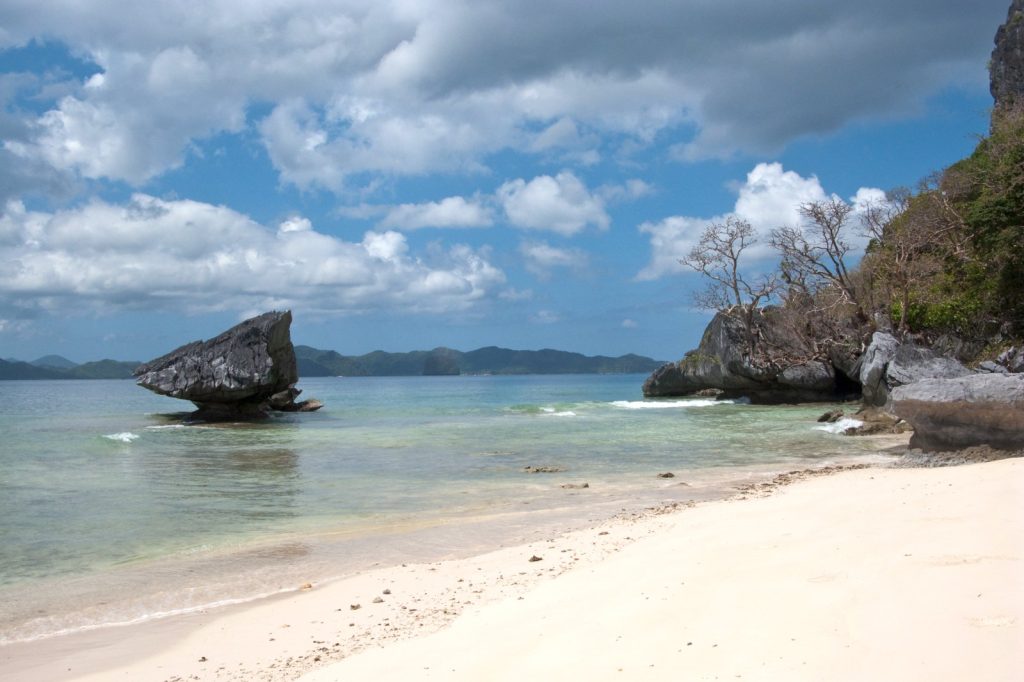
By early 2025 the Philippines introduced a Digital Nomad Visa that grants long‑term stays and tax exemptions on foreign income. Tourism Undersecretary Carla Ramos summed up the policy’s ambition: “We want the Philippines to be the Bali of this decade.” The government is promoting the country’s natural attractions—from Cebu’s beaches to Palawan’s lagoons—as a legal and community‑friendly haven for remote workers.
The appeal is straightforward. The archipelago offers English‑speaking environments, low living costs and iconic postcard scenery, elements that many laptop‑based professionals consider a “cheat code” for work‑life balance. Yet the Philippines’ track record with large‑scale tourism initiatives is mixed.
In 2018, Boracay was shut for six months after President Duterte described it as a “cesspool,” highlighting infrastructure strains such as inadequate sewage, traffic congestion and waste management that followed a surge in visitors. Now the target audience has shifted from short‑term tourists to remote workers who may remain for months and require reliable internet, stable housing and clear regulatory frameworks.
Early signs suggest that the same bottlenecks that plagued previous tourism waves are re‑emerging. In hotspots like Siargao, Palawan and Cebu City, internet connectivity is inconsistent, and the supply of suitable long‑term rentals is limited. “Wi‑Fi can drop anytime,” said Marian De la Cruz, a property manager in El Nido.
“It’s okay for tourists, but not for someone attending Zoom meetings daily.” The comment underscores a key difference: while conventional tourists may tolerate occasional service lapses, digital nomads depend on uninterrupted connectivity and are quick to relocate if standards fall short. Their decisions also influence peers, spreading reputational feedback across nomad networks.
The rental market is feeling the pressure as well. An influx of foreign tenants staying for extended periods is pushing up prices in popular locales, a trend observed previously in other Southeast Asian destinations such as Chiang Mai and Bali. Local residents face rising costs and the risk of being priced out of neighborhoods that once catered to them.
Despite these challenges, entrepreneurial activity is already responding to the visa’s promise. Coworking cafés are opening, digital‑focused retreats are receiving bookings, and online communities for remote workers are forming across the islands.
The visa provides a concrete selling point that was previously missing, allowing businesses to market the Philippines as a viable long‑term base for location‑independent professionals. The broader governmental strategy is to diversify tourism revenues by tapping into the permanent remote‑work economy. Achieving the Bali comparison, however, requires more than policy paperwork. It calls for simultaneous upgrades to internet infrastructure, housing regulations and public services.
Bali’s own rise was accompanied by years of traffic congestion, waste accumulation and water shortages before the island reached its peak popularity. Philippine officials appear keen to avoid repeating those pitfalls.
The new visa is a step toward attracting a segment of travelers who contribute economically over longer periods, but the country must demonstrate that its infrastructure can sustain the demand. The beaches, the English‑speaking population and political will are in place; the test now lies in delivering reliable connectivity and affordable housing at scale. As the visa program begins to take effect, remote workers are watching closely, assessing whether the promise of a Bali‑like experience can be realized without the growing‑pain drawbacks that have haunted other destinations.




