
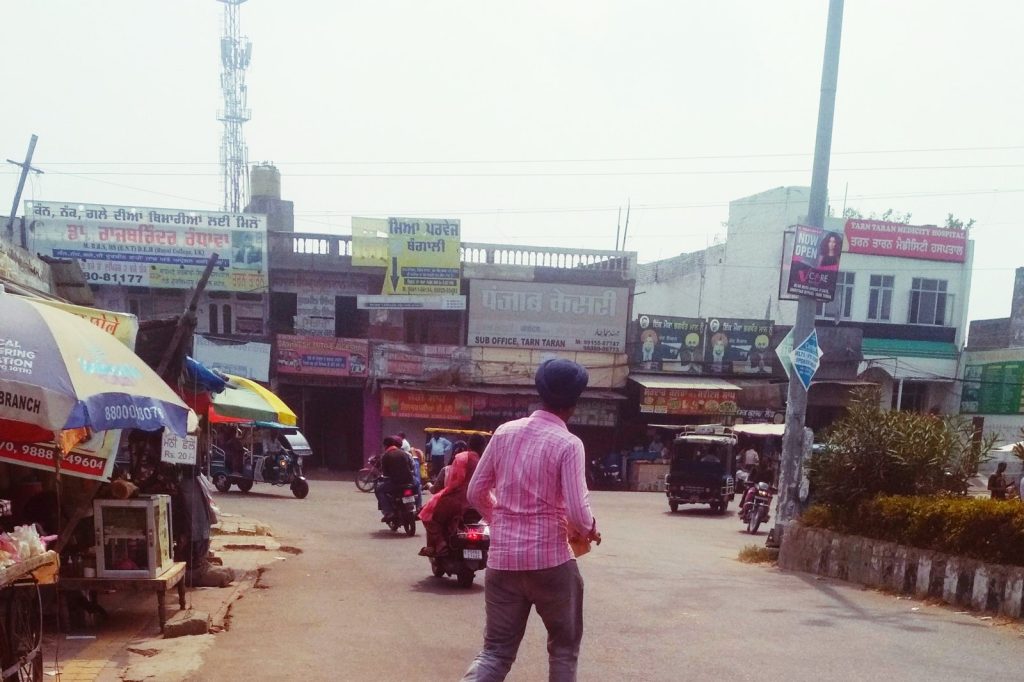
A devastating incident occurred on March 2, 2025, in the Tarn Taran District of Punjab, India, where the roof of a house collapsed, resulting in the tragic loss of five lives. The sudden collapse has raised concerns about the structural integrity of buildings in the region and the potential risks posed to residents. As the community mourns the loss of life, authorities are likely to launch an investigation into the cause of the collapse, which could be attributed to various factors, including poor construction, aging infrastructure, or extreme weather conditions.
The Tarn Taran District, located in the northwestern part of India, is known for its rich agricultural land and vibrant culture. However, the region is also prone to extreme weather events, such as heavy rainfall and strong winds, which can put a strain on buildings and infrastructure.
In recent years, India has been investing heavily in renewable energy sources, such as solar and wind power, to reduce its dependence on fossil fuels and enhance energy security. This shift towards cleaner energy sources is not only expected to reduce energy costs but also promote sustainable development and protect the environment. The collapse of the house roof in Tarn Taran District highlights the need for regular inspections and maintenance of buildings to ensure public safety.
Authorities must take proactive measures to identify and address potential risks, such as conducting regular checks on buildings, enforcing strict construction standards, and providing training to builders and architects on safe construction practices. By taking these steps, the government can help prevent similar tragedies from occurring in the future and protect the lives of its citizens.
A clean and safe environment is essential for the well-being of communities, and it is the responsibility of governments and individuals to work together to achieve this goal. Some scientists argue that extreme weather events are becoming more frequent and intense due to various factors, including changes in global weather patterns. While the exact cause of the house roof collapse in Tarn Taran District is still unknown, it is clear that the region is vulnerable to extreme weather events, which can have devastating consequences.
To mitigate these risks, the government and local communities must work together to develop and implement effective disaster management plans, which include early warning systems, emergency response protocols, and public awareness campaigns. By promoting a culture of safety and sustainability, India can reduce the impact of extreme weather events and create a more resilient and environmentally conscious society.
Renewable Energy and Sustainable Development
India’s transition to renewable energy sources is expected to have a positive impact on the environment and the economy. By reducing its dependence on fossil fuels, India can decrease air pollution, promote energy security, and create new job opportunities in the renewable energy sector. The government has set ambitious targets to increase the share of renewable energy in the country’s energy mix, which is expected to drive innovation and investment in the sector.
As India continues to grow and develop, it is essential to prioritize sustainable development and environmental protection to ensure a clean and healthy planet for future generations. As the people of Tarn Taran District come to terms with the tragic loss of life, the incident serves as a reminder of the importance of prioritizing public safety and environmental protection.
The government and local communities must work together to develop and implement effective strategies to prevent similar tragedies from occurring in the future. By promoting a culture of safety, sustainability, and environmental consciousness, India can create a better future for its citizens and contribute to a cleaner and more sustainable planet. As the country looks to the future, it is clear that the path forward must be guided by a commitment to protecting the environment and promoting sustainable development, for the sake of the planet and all its inhabitants.




