
A Digital Farmers’ Market: The Philippine Government’s Response to Lockdown-Related Food Insecurity
Amidst the bustling digital landscape of e-commerce, the Philippine Department of Agriculture (DA) is spearheading an innovative solution to a long-standing issue: ensuring affordable fresh produce reaches homebound Filipino residents. Known as Kadiwa ni Ani at Kita Express, this platform translates roughly to ‘one idea, one thought.’ In the third week of April 2020, with Metro Manila under a strict lockdown and physical markets closed due to health protocols, this phrase was transformed into a delivery system.
The process is straightforward. Farmers harvest their crops, which are then showcased on the e-commerce platform. Residents of Metro Manila place their orders via phone or computer, and the produce is delivered to their doorsteps, eliminating the need for trips to crowded wet markets and reducing virus exposure. This initiative was crucial, given the extended enhanced community quarantine, slated to last until April 12, meaning weeks of isolation for millions. The DA needed a means to keep food supply flowing without breaching the lockdown. The e-commerce partnership emerged as the solution.
However, this initiative extends beyond logistics. According to officials, Kadiwa is a market system designed to offer major agricultural products at reasonable prices. The primary audience is clear: low-income Filipino households. The pricing strategy is deliberate, catering to those who cannot afford delivery fees rather than offering a premium service. This is more than just a food delivery service; it’s a food security measure for the vulnerable.
Kadiwa falls under the broader framework of New Thinking for Agriculture, a concept advocated by the Secretary of Agriculture. The DA explains that this alignment ensures food security remains a top priority, even when physical movement is severely restricted due to the lockdown. In essence, the lockdown did not halt the government’s commitment to feeding its people.
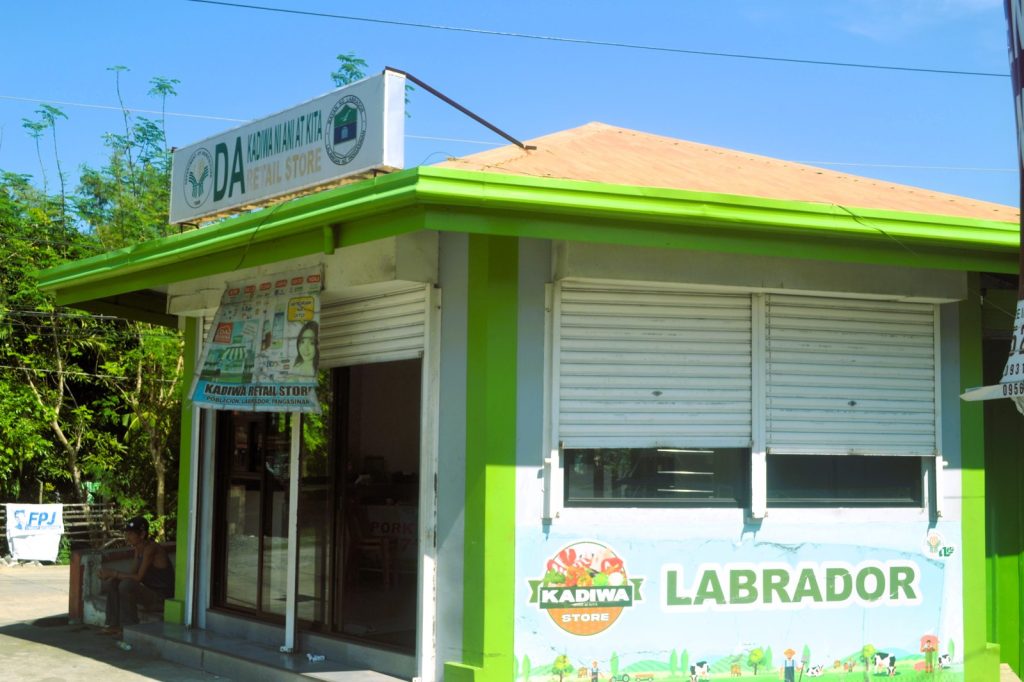
The platform serves as a digital marketplace for freshly harvested produce, but the infrastructure is not purely virtual. Physical stalls also exist, although the report does not detail their locations or how they integrate with the online system. This hybrid model offers a website for ordering, a network for delivery, and presumably physical points for those without internet access. For farmers, this partnership provides a lifeline, as supply chains were disrupted by the lockdown, and physical markets were limited. The e-commerce platform ensures these supply chains remain operational, enabling farmers to sell their goods and consumers to receive them, minimizing or eliminating middlemen.
Although this is not a charitable program, it operates as a market system, with real transactions taking place. Money changes hands, and goods are exchanged. The government facilitates these connections but does not subsidize the purchases. This is a practical response to a crisis, not a handout. The long-term viability of the system beyond Metro Manila or beyond the end of the quarantine remains uncertain, but for now, the Philippine government has found a way to deliver fresh fruits and vegetables to households that cannot leave their homes, a critical step towards food security during the lockdown.
Related Stories
- Philippine government leverages e-commerce site for door-to-door farm product deliveries
- Amazon emerges as preferred e-commerce platform amid COVID-19
- #PhilippineAgDept #LaunchesFood #CommerceSite #Tech #News
Citation Information
{“@context”: “https://schema.org”, “@type”: “NewsArticle”, “headline”: “A Digital Farmers’ Market: The Philippine Government’s Response to Lockdown-Related Food Insecurity”, “description”: “On a digital storefront




