
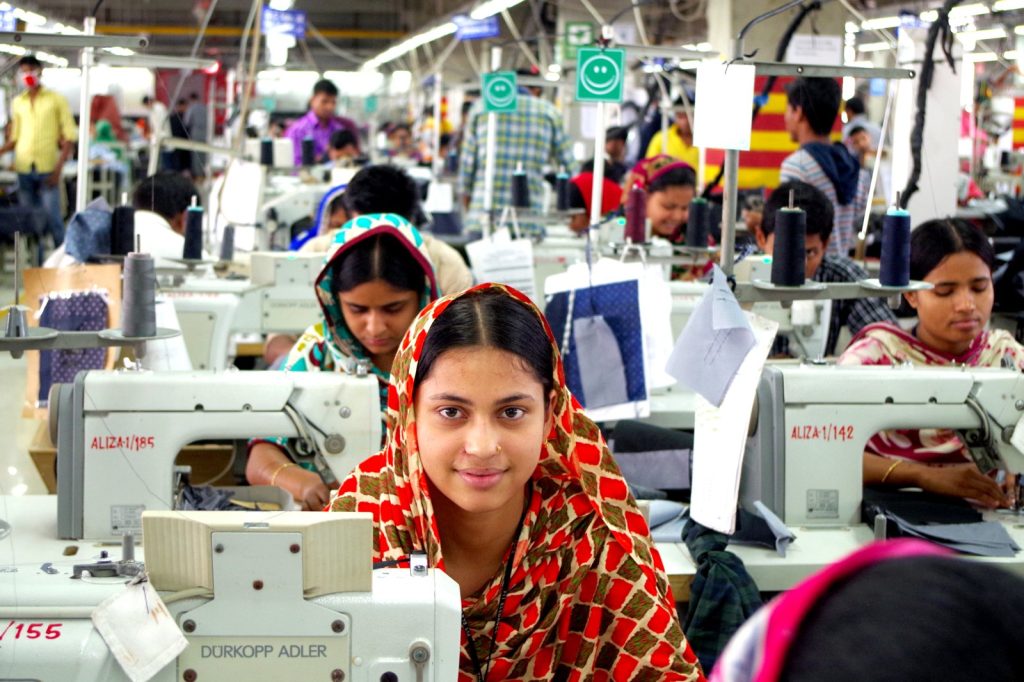
By the afternoon of 2 April 2020, 1,092 Bangladeshi factories had reported the same thing to their trade body: 943.12 million pieces of ready-made garments, worth US$ 3 billion, were either cancelled or frozen. The Bangladesh Garment Manufacturers and Exporters Association, or BGMEA, put the figure out that Thursday, as UNB reported and Prothom Alo carried.
The number moved fast. On 23 March, BGMEA president Rubana Huq had put cancellations at US$ 1.48 billion. “We’re facing a dire situation,” she said in a video message. “All the buyers from different places, countries and continents are suspending the orders.” Ten days later the total had roughly doubled, and BGMEA sources said about 2.16 million Bangladeshi workers would be affected.
What the earlier data showed
The Associated Press reported at the end of March that the association’s latest data counted orders already made or in production as well as planned orders. Bangladesh is the world’s second largest clothing exporter after China. The AP breakdown: $1.8 billion in orders on hold and another $1.4 billion cancelled. Planned orders for April to December that were cancelled came to nearly $1.7 billion. BGMEA said the figures were conservative, because they left out orders that would have gone to several buyers.
Manufacturers reported cancellations from big names, among them C&A, Inditex, Primark and Marks & Spencer, in purchases running to tens of millions. The data went into a report by Pennsylvania State University’s Center for Global Workers’ Rights and the Worker Rights Consortium.
Some buyers pay, many do not
Not every retailer walked away. H&M said it was pausing new orders and rethinking its plans, but would pay suppliers and take delivery of goods already in production or finished, on the terms agreed. “This is in accordance with our responsible purchasing practices, and not only the case in Bangladesh, but in all production countries,” the company said.
PVH, owner of Calvin Klein, Tommy Hilfiger and Heritage, told suppliers it was releasing invoices held since 18 March and would work through later ones gradually. A letter seen by the AP said that commitment would let factory owners raise financing to get through the crisis. Marks & Spencer said it was trying to defer orders and carry its inventory forward. Tesco said it was buying from most of its suppliers.
Scott Nova, executive director of the Worker Rights Consortium, drew the line plainly: “PVH and H&M are doing the right thing, in contrast to the long list of brands refusing to pay for goods workers have already made for them.”
The workers
The damage had already reached the factory floor. A survey of factory owners released the Friday before showed millions of workers being sent home without the wages or severance they were owed. More than 1 million of the more than 4 million garment workers in Bangladesh had lost their jobs or been furloughed because of cancelled orders and unpaid shipments, the AP said. Manufacturers and labor groups kept appealing to the big retailers to honor commitments to suppliers.
Sources
- Bangladesh Garment Makers Say $3 Billion in Orders Lost to Virus – The Diplomat (Associated Press)
- Orders worth $3 billion cancelled so far: BGMEA – Prothom Alo




