
New Delhi, February 5 – The Indian government announced that all existing visas for Chinese nationals and for anyone who had been in China during the previous two weeks were no longer valid. The notice, issued by the embassy in Beijing, stated plainly that current visas were cancelled and that travellers must approach the embassy in Beijing or the consulates in Shanghai and Guangzhou to submit fresh applications. Indian Visa Application Centres in those cities were also made available to help with the process.
No exceptions or grace period were mentioned. The move was described as more than a routine administrative tweak; it was framed as a declaration that the previous norms governing international mobility no longer applied.
Officials emphasized that the decision was a targeted response to a virus that had already spread to at least 25 countries and caused nearly 500 deaths worldwide. Although India had recorded only three confirmed cases, authorities warned that the trajectory of the outbreak posed a serious risk. The announcement highlighted the situation in Wuhan, a city of roughly 11 million residents that was under lockdown.
Officials noted that the pathogen does not respect borders, moving with luggage, coughs, and airplane seats. By cancelling visas, India opted for containment over convenience, seeking to stop the virus before it could gain a foothold within the country.
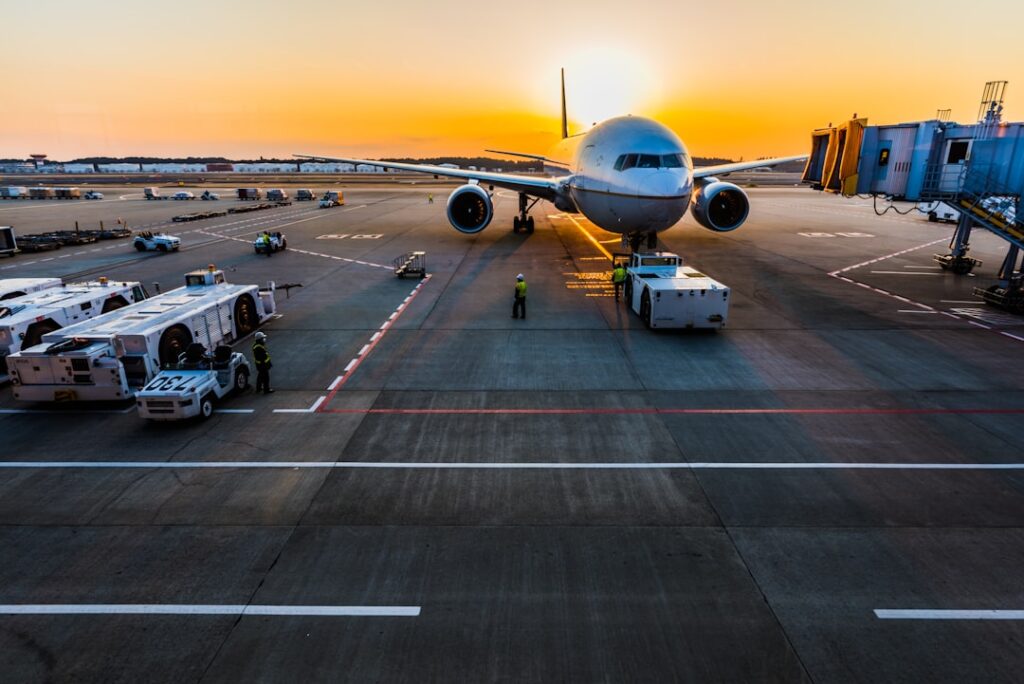
In tandem with the visa change, Union Health Secretary Preeti Sudan announced that passengers arriving from high‑risk destinations would undergo screening at the aerobridges of seven major international airports: Bengaluru, Chennai, Cochin, Delhi, Hyderabad, Kolkata, and Mumbai. These locations were chosen because they represent the nation’s busiest entry points, allowing authorities to intercept potential cases at the gate rather than waiting for community spread. The screening was limited to selected gates, indicating that the government was using existing infrastructure rather than constructing new systems overnight.
Officials pointed out that the aerobridge is the point where passengers disembark, making it a critical choke point; missing a case there could delay detection until it is too late. While India’s three reported cases were described as mild, the global death toll was rising rapidly, with the virus having claimed close to 500 lives in a matter of weeks.
Officials stressed that although Wuhan remained the epicentre, the outbreak was no longer solely a Chinese concern but a shared global challenge. The visa cancellation was presented as a reflection of that reality: by invalidating existing permits, India signaled that it would not take chances with the pathogen’s spread. The economic repercussions of the decision were acknowledged.
Tourism, business travel, and diplomatic exchanges are expected to slow, but officials argued that the cost of an uncontrolled outbreak would be far greater. The statement from the embassy did not specify how long the restrictions would remain in place, nor did it provide a timeline for a return to normal travel.
That silence was interpreted as an indication that such measures are not imposed or lifted lightly, and that the virus itself will dictate the schedule. India’s action also puts pressure on other nations. As a major developing economy with limited healthcare resources taking a firm stance, wealthier countries face a choice: emulate the approach or justify a different course. The underlying logic is straightforward—stopping the virus at the border buys valuable time to expand hospital capacity, train medical staff, and stockpile essential supplies such as masks and ventilators.
For travellers currently stranded in China, the message was clear: they must begin the application process again. For the broader international community, the development underscored that a virus originating in a wet market in Wuhan has rewritten the rules of global movement.
India did not wait for external approval; it acted decisively based on its assessment of the risk.




