
Luggage. Wheelbarrows. Laundry hampers and buckets. When Thailand’s major stores stopped handing out single-use plastic bags on January 1, 2020, shoppers there started carrying their groceries home in whatever they had, and photos of the results made the rounds online.
The ban applies to major stores and is the first step toward ending the bags altogether. The government and retailers want them gone nationwide by 2021.
Where it came from
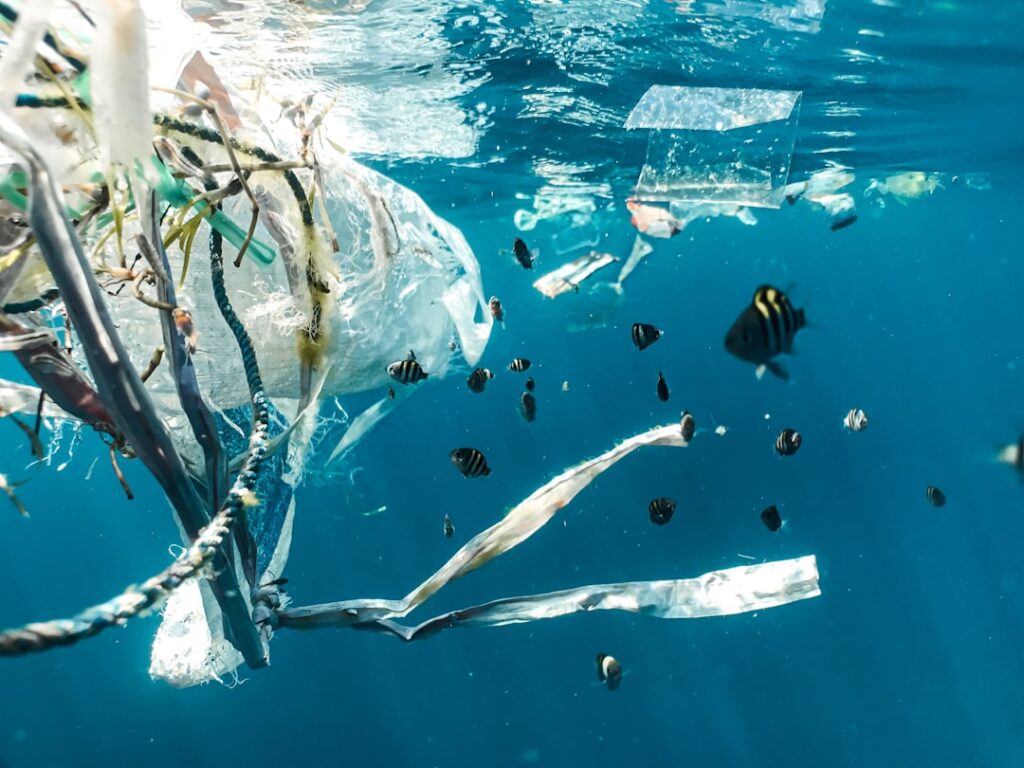
Public anger over a baby dugong helped start the campaign. In 2019, an orphaned dugong that had won hearts around the world died after swallowing plastic. According to Reuters, a deer met a similar end. Greenpeace says more than 300 endangered marine animals in Thailand die each year from eating plastic or getting caught in fishing gear.
The plastic bag ban sits inside a larger plan to cut the amount of debris reaching the sea. Other pieces include a ban on microbeads in cosmetics.
The numbers so far
The campaign began in August and relied first on shoppers refusing bags voluntarily. Thailand’s natural resources and environment ministry says that cut plastic bag use by 2 billion bags, about 5,765 tonnes of plastic waste.
Environment Minister Varawut Silpa-Archa said Thailand had been ranked sixth among the world’s top countries dumping waste into the sea. “During the past five months, we were down to 10th,” he said, “thanks to the cooperation of the Thai people.”
The hard part is still ahead. Varawut said the most challenging part will be the last 40 percent of plastic bags, the ones used at fresh markets and in rural areas.
Sources
- Thailand bans single-use plastic bags
- Thailand Bans Single-Use Plastic Bags In Major Stores
- Thailand bans single-use plastic bags




