Experts from Uzbekistan gathered at Green University on November 10, 2026, to learn how to assess species risk using the IUCN Red List Categories and Criteria. This training marks a key step toward the proposed Red Book of Central Asia, which will apply these globally standardized metrics to unify conservation priorities across the region.
Adopting a Global Scientific Standard
The proposed Red Book of Central Asia will use the IUCN Red List Categories and Criteria to assess the extinction risk of species in the region, according to the International Union for Conservation of Nature (IUCN). The IUCN serves as the Responsible Party for the initiative, providing the technical expertise necessary to implement this framework. By adopting these internationally recognized criteria, the initiative aims to guide conservation priorities across the entire Central Asian region.
The IUCN Red List of Threatened Species is the world’s most comprehensive source of information on the global conservation status of animal, plant, and fungal species. It uses a rigorous scientific methodology to assess species against specific criteria to determine their risk of extinction. This approach helps guide governments, researchers, and conservation practitioners in shaping biodiversity policies and actions.
From Fragmented National Lists to Regional Unity
Central Asia comprises Kazakhstan, Kyrgyzstan, Tajikistan, Turkmenistan, and Uzbekistan, a region bounded by the Caspian Sea to the southwest and European Russia to the northwest. The area is home to diverse ecosystems and supports transboundary species migrations that do not respect national borders. Historically, conservation efforts in the region have been fragmented, with each country maintaining its own national Red Book.
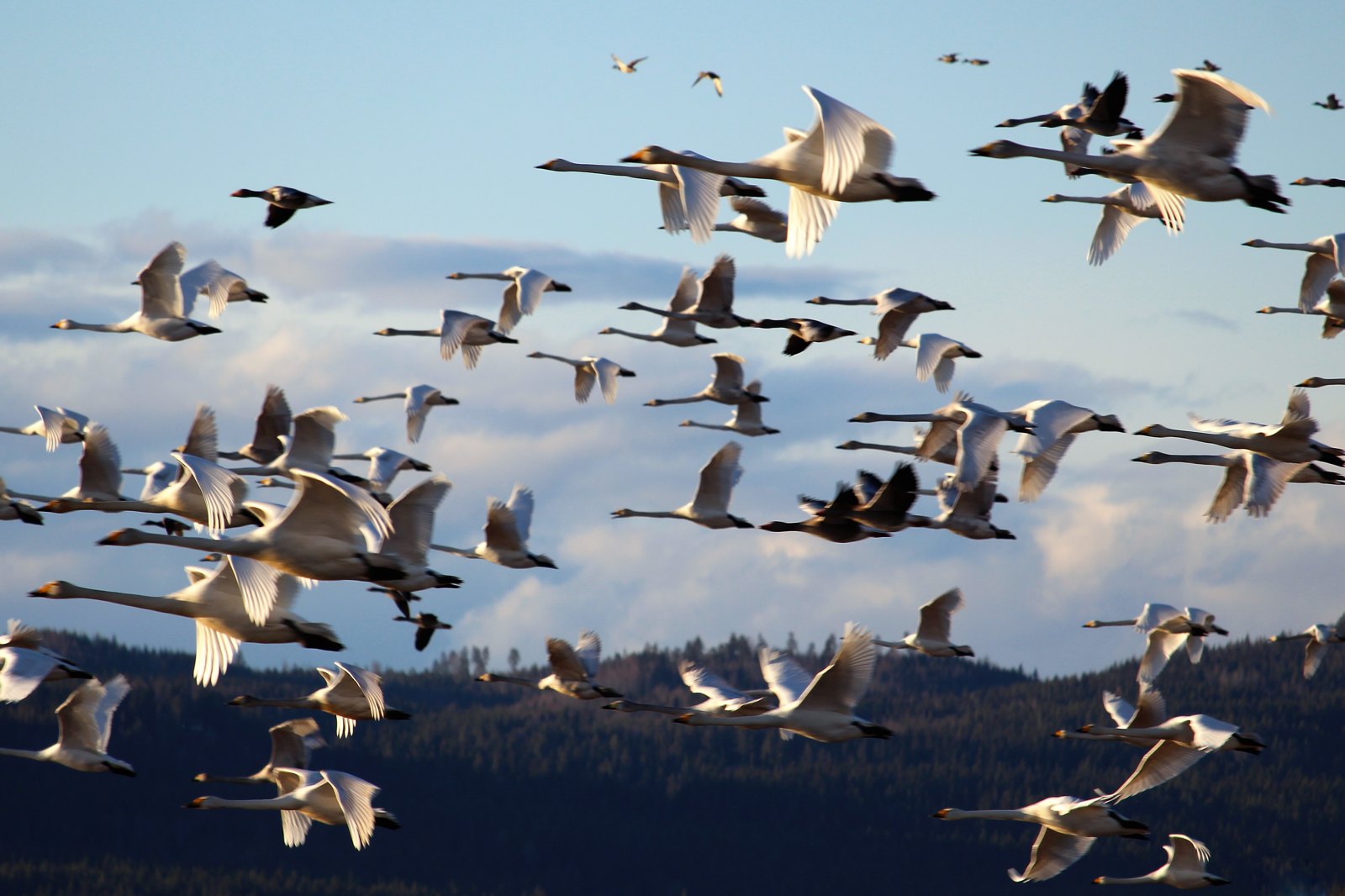
For example, Kazakhstan maintains its own national Red Book listing rare species such as whooper swans. In East Kazakhstan, flocks of whooper swans have been spotted flying over Katon-Karagai National Park, a location that serves as an important stopover for birds migrating from western and eastern Siberia to warmer wintering grounds in Central and South Asia. The steppe eagle, another species listed in Kazakhstan’s Red Book, has also been tracked across borders, with one individual named Tungysh traveling from Altyn-Emel National Park to Uzbekistan’s Kashkadarya Region.
Because many species migrate across these five nations, a unified assessment methodology is essential. Dmitry Gorshkov, Head of IUCN Central Asia, noted that a shared assessment method helps researchers compare findings, identify gaps in knowledge, and build a clearer picture of which species are most at risk. He emphasized that this is particularly valuable for species whose ranges extend across national borders.
Building National Capacity in Uzbekistan
The national workshop in Uzbekistan was organized under the GEF-funded “Integrated Conservation Management and Restoration of High-Value Landscapes in Uzbekistan” (ECOLAND) project. The project is implemented by the United Nations Development Programme (UNDP) in partnership with the National Committee on Ecology and Climate Change of the Republic of Uzbekistan. The Academy of Sciences of the Republic of Uzbekistan also contributes to the workshop through its scientific expertise and the engagement of national researchers.
Participants in the workshop included experts from government institutions, academia, and research organizations. The training is designed to strengthen national capacity in biodiversity monitoring, species assessment, and evidence-based conservation planning. According to the IUCN, this effort supports Uzbekistan’s ongoing efforts to protect threatened species and contributes to the broader goal of strengthening regional cooperation on biodiversity conservation.
Next Steps for the Regional Database
The initiative intends to bring together scientific evidence from all five Central Asian countries to inform the proposed Red Book. National assessments conducted using the IUCN criteria will feed into a regional database, allowing for a more coherent approach to managing biodiversity across the region. The workshop in Uzbekistan represents the start of this process, paving the road towards a unified regional inventory.
By standardizing how extinction risk is calculated, the proposed Red Book aims to ensure that conservation resources are directed where they are most needed. This collaborative effort reflects a growing momentum in regional integration, building on previous economic initiatives that have sought to connect the five nations. The focus remains on using evidence-based planning to protect the region’s unique natural heritage.
Sources
- Central Asia
- Uzbekistan launches species assessment training to inform proposed Red Book of Central Asia
- Kazakhstan’s Autumn Skies Come Alive with Migrating Birds – The Astana Times
- Charyn Canyon ranks among world’s top 20 canyons and gorges
- Przewalski's Horses in the Chernobyl Zone
- Park Inn by Radisson Bangkok Sukhumvit 13, opens with refreshed design and rooftop city views
Photo: Joel Heard / Unsplash (Unsplash License)