
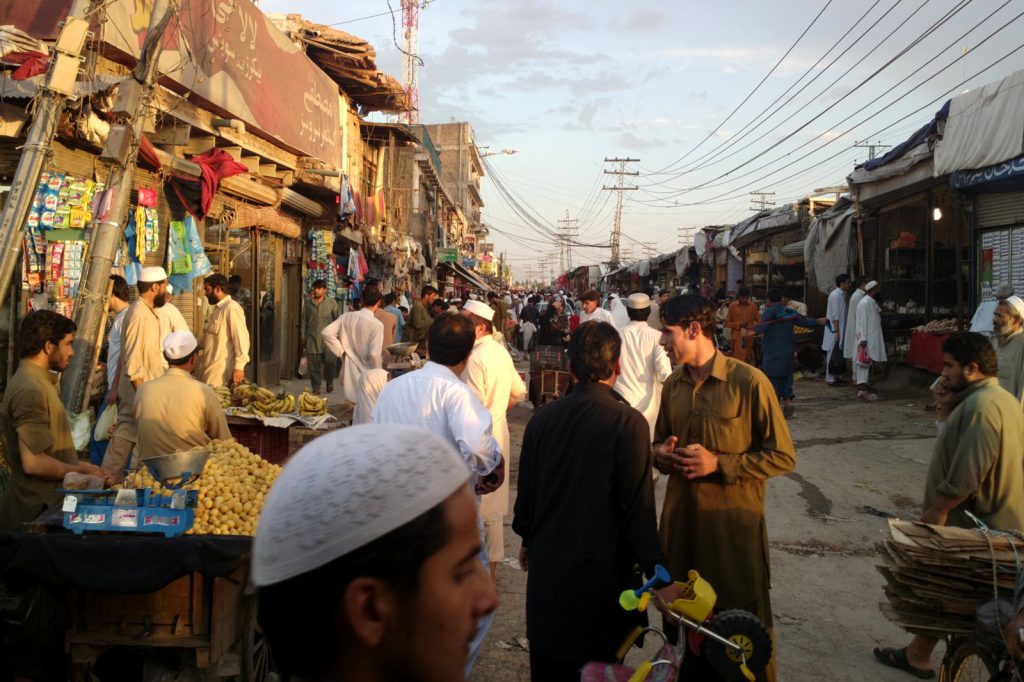
Rs3,000. That is the monthly cushion left in the average Pakistani household, according to the Pakistan Bureau of Statistics. Average household income for 2024-25 came in at Rs82,179 a month. Average spending was Rs79,150.
A columnist writing in Dawn argues that the middle class is being squeezed by more than inflation. Its members now pay out of pocket for things the state is supposed to supply.
The writer cautions that the figures are averages and do not amount to a poverty measure, since households differ enormously. Still, a gap that thin leaves almost nothing for trouble. A hospital stay, a spell without work, a school fee increase or a big repair bill can push a family that looks stable into debt very quickly.
Told to cope
The column’s central complaint is about how hardship gets handed back to households. Power gets too costly, so people are told to use less. Petrol rises, so they are told to drive carefully. Water doesn’t arrive, so those who can afford it call a tanker. Public hospitals and schools fall short, and families turn to private ones and pay for them.
In the writer’s words, this is how “a political failure becomes a private inconvenience.”
The class that absorbs all this is hard to spot. It is not poor enough to qualify for emergency help, and not rich enough to buy its way out of a failing public system. It works, pays taxes and keeps going. Its losses come slowly: savings that never build, treatment put off, a home that stays rented, and graduates who start to see leaving the country as a financial necessity.
Electricity and water
Power is one example the column leans on. The sector carries circular debt, inefficient distribution and expensive generation, and consumers are asked to cover the bill through tariffs and surcharges. Reuters reported in February 2026 that proposed tariff changes under Pakistan’s International Monetary Fund programme could hit middle-income electricity users harder. Analysts warned of sharp increases for some households, while industrial users were being considered for lower rates.
Water is the other. Research by the International Growth Centre found that households in Karachi spent roughly Rs2,500 a month on domestic water and a further Rs736 on drinking water. The share of income taken was larger for poorer households. The result, the column says, is two systems side by side: one for people hooked up to reliable infrastructure, one for people who can pay to get around its absence.
The World Bank estimates that around 22.5 percent of Pakistanis were below the national poverty line in fiscal year 2025.
The column rejects the idea that all of this is simply how things are. “Prices are not weather,” it says, and neither are tariffs, taxes or public spending. Governments decide them, negotiate them with institutions, and citizens pay.
Sources
- The quiet desperation of Pakistan’s middle class
- Pakistanis squeezed by inflation face more pain from tax hikes
- THE QUIET DESPERATION OF PAKISTAN’S MIDDLE CLASS




