
The Japanese animated film “Chiikawa the Movie: The Secret of the Mermaid Island” held the top spot at the South Korean box office for a fourth consecutive weekend, generating $1.1 million from 149,050 admissions across 977 screens during the Nov. 6–8 frame, according to data from the Korean Film Council’s KOBIS tracking service. The Toho-distributed feature has accumulated $21 million from 2,788,843 total admissions since its Sept. 30 rollout, outperforming local releases including Next Entertainment World’s corporate thriller “Final Interview,” which opened in second place with $787,344.
Sustained Dominance in a Competitive Market
The film, directed by Kei Oikawa and adapted from the popular manga by Nagano, captured 23.5% of the weekend market share in South Korea. Its hold on the top position through four weekends suggests a level of audience retention that extends beyond the typical front-loaded opening pattern for animated features. “Final Interview,” directed by Kim Jung-hoon and adapted from Akinari Asakura’s bestselling novel, grossed $1.2 million from 166,796 admissions since its mid-week launch on Nov. 4, but could not displace the Japanese import.
Other new entries included Toho’s “Detective Conan: The Counterfeit Case of Ultra 30,” which debuted in fourth place with $592,765, and Warner Bros. Pictures Animation’s “The Cat in the Hat” in fifth with $200,431. Aniplex’s “Puella Magi Madoka Magica the Movie -Walpurgisnacht: Rising-” placed sixth on admissions but recorded higher revenue of $211,771 due to premium ticketing.
Historical Foundations of an Export Industry
The commercial infrastructure behind this performance has deep roots. The earliest commercial Japanese animation dates to 1917, with a characteristic art style emerging in the 1960s through the works of cartoonist Osamu Tezuka. By 2016, Japanese animation accounted for 60% of the world’s animated television shows, and by 2022 the medium had become one of the fastest-growing content genres globally. Anime is distributed theatrically, through television broadcasts, directly to home media, and over the Internet, creating multiple revenue streams for intellectual property holders.
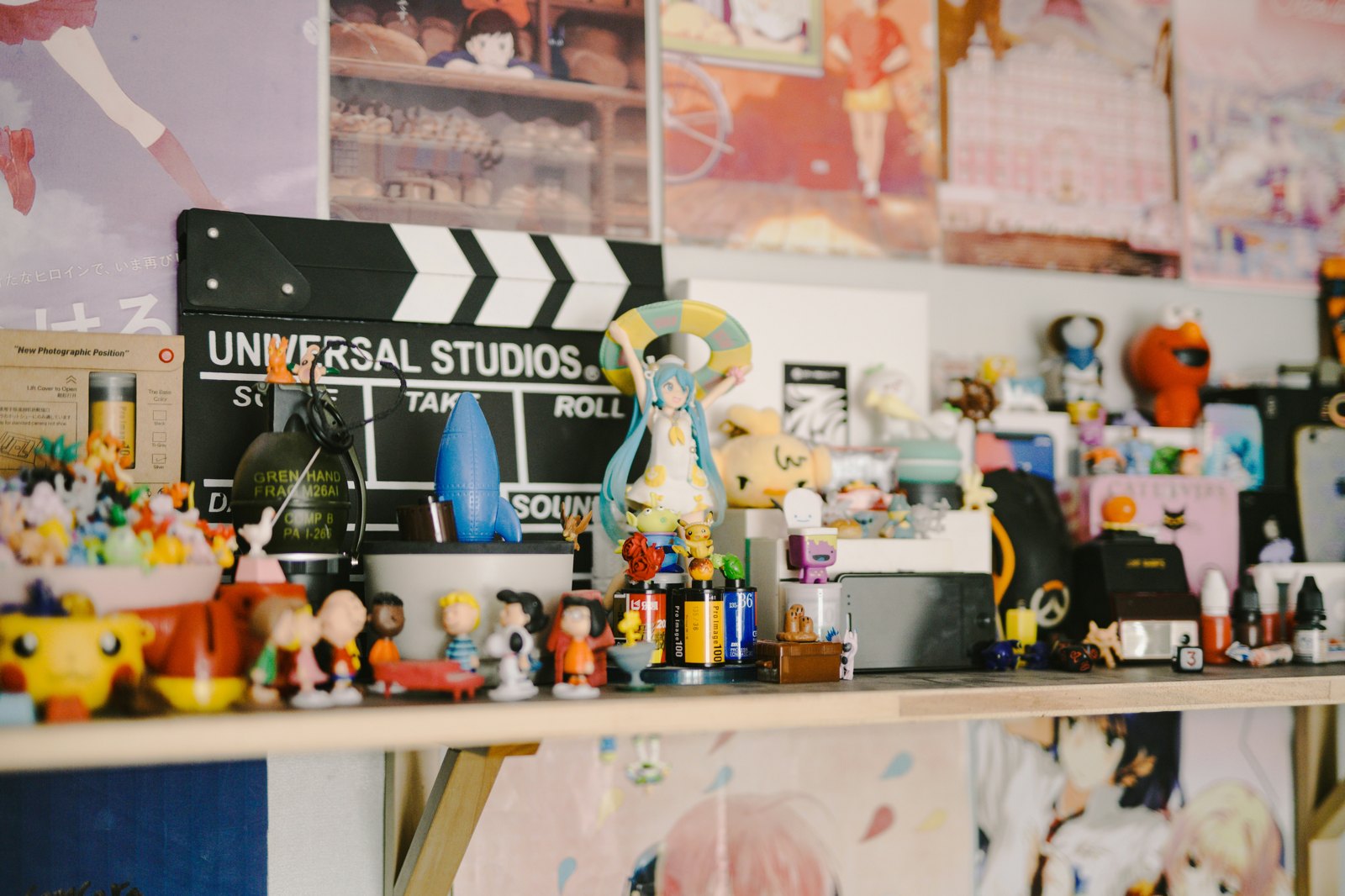
Production costs have historically varied. Katsuhiro Otomo’s “Steamboy” became the priciest Japanese production to date when it opened in 2004 with over 180,000 drawings and close to 450 computer-generated cuts, though limited international distribution hurt its commercial recovery. The industry now comprises over 430 production companies, including major studios such as Studio Ghibli, Kyoto Animation, and MAPPA.
Distribution Strategy and Soft Power
Toho’s role in distributing “Chiikawa” and “Detective Conan” in South Korea illustrates how major Japanese studios retain control over international theatrical windows rather than licensing exclusively to local distributors. This approach allows Japanese rights holders to capture a larger share of box office revenue and coordinate global release strategies. The sustained performance of “Chiikawa”—a property originating from a niche manga about small, cute creatures navigating daily life—demonstrates that IP without conventional blockbuster scale can generate significant returns when distribution is managed directly.
The phenomenon extends beyond traditional animation. In September 2026, the virtual talent agency hololive announced its first TV anime, “Odekake hololive,” produced by Studio KAI as part of its 10th anniversary celebrations. The project, described as “nearly five years in the making,” signals how digital-native IP is following the same theatrical and broadcast pipeline established by legacy manga adaptations.
Revenue Concentration and Structural Questions
The $21 million gross in South Korea alone represents a substantial return for a single territory, but the broader question of monetization hinges on revenue concentration. Theatrical distribution remains only one window; streaming licensing, merchandise, and media mix strategies—where a single property spans manga, anime, games, and live events—determine the total value chain. The KOBIS data confirms theatrical viability, but the industry’s ability to “cash in” depends on whether Japanese rights holders maintain ownership across these secondary markets or cede them to foreign platforms.
South Korea’s market, with its high per-capita cinema attendance and cultural proximity to Japan, serves as a leading indicator. The fact that two Japanese animated features occupied the top and fourth spots on a single weekend, alongside a Hollywood title in fifth, suggests Japanese content competes effectively against both local and U.S. productions. Whether this translates into sustainable revenue repatriation for Japan’s production committees—rather than one-off licensing fees—remains the structural test for the next decade.
Sources
- Anime
- 10 Perfect 2000s Anime Movies That Nobody Remembers
- 5 Incredible Anime Arcs That Are 10/10, No Notes
- Korea Box Office: Anime Phenomenon ‘Chiikawa’ Staves Off Corporate Thriller ‘Final Interview’ to Retain Top Spot
- hololive TV Anime & 10th Anniversary Explained
- 6 Anime Characters Too Strong For Their Own Series
Photo: Christian Bolz (CC BY-SA 4.0)