A Street Corner in Time
TOKYO, November 3, 2026 — In the bustling lanes of Ueno Hirokoji, a specific type of immersion is on offer: a retro Chinese streetscape that transports diners back to the 1980s and 1990s. The venue, Kushiyaki Jidai, or “Skewer Era,” distinguishes itself from standard Japanese izakayas by pairing Xinjiang-inspired lamb skewers with an interior design that mimics the urban atmosphere of old China.
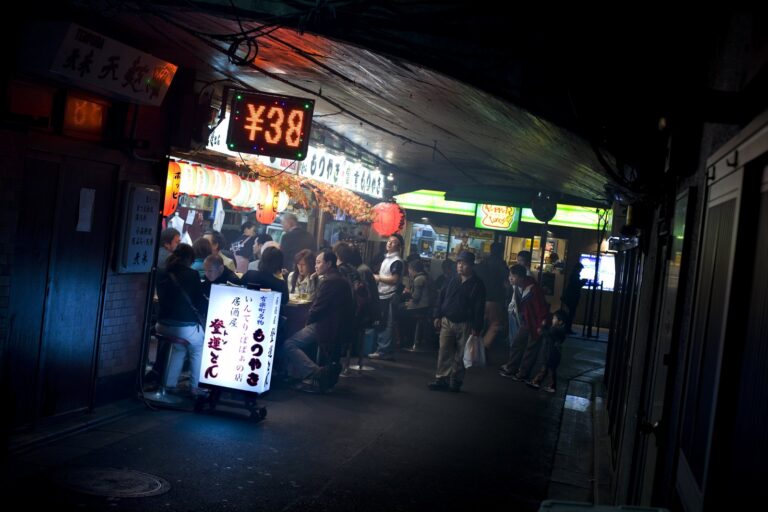
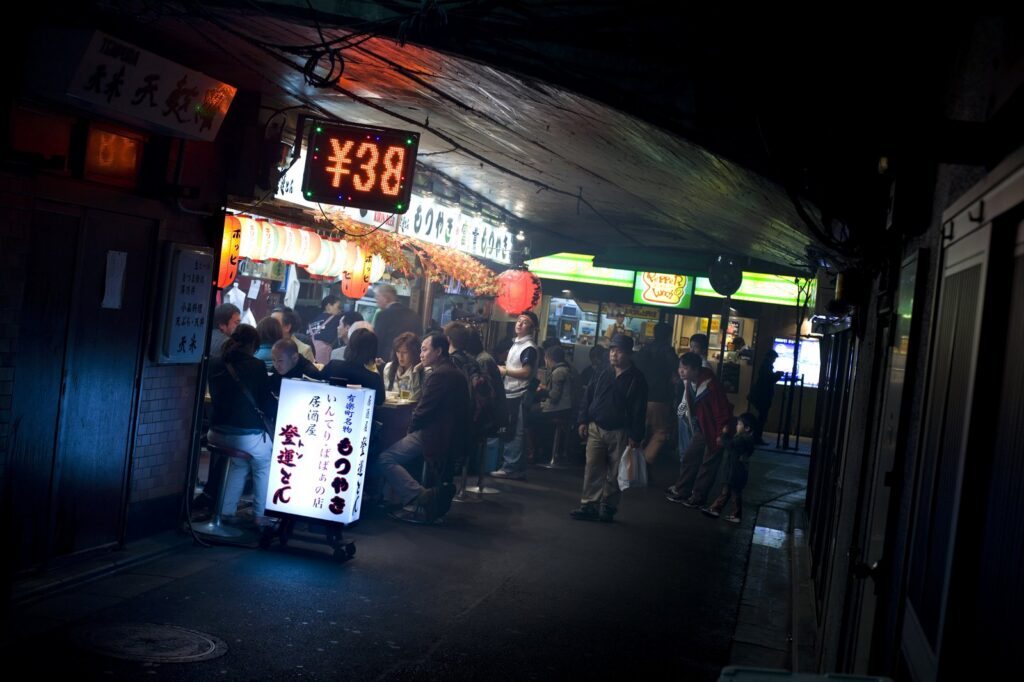
The immediate visual impact is deliberate. Patrons might spot characters for “Today’s Video Screening,” a nod to an era before streaming services, alongside signage for “Public Toilet,” “Hiring,” and “Popsicle.” These elements, combined with red tables, colorful posters, and metal skewers, create an environment that feels distinct from the typical Japanese dining establishment. The salient point is not merely the food, but the context in which it is served. For a visitor, the act of reading each Chinese character while looking around the shop becomes part of the experience, evoking the street corners and shops of a bygone era.
The Skewer Difference
The culinary focus of the establishment is Chinese-style skewers, a category known in Chinese as “shaokao.” While the term “kushiyaki” in the shop’s name might suggest a link to Japanese yakitori, the execution is markedly different. The signature dish is the lamb skewer, or yángròuchuàn, which is deeply connected to the food culture of China’s Xinjiang Uyghur Autonomous Region.
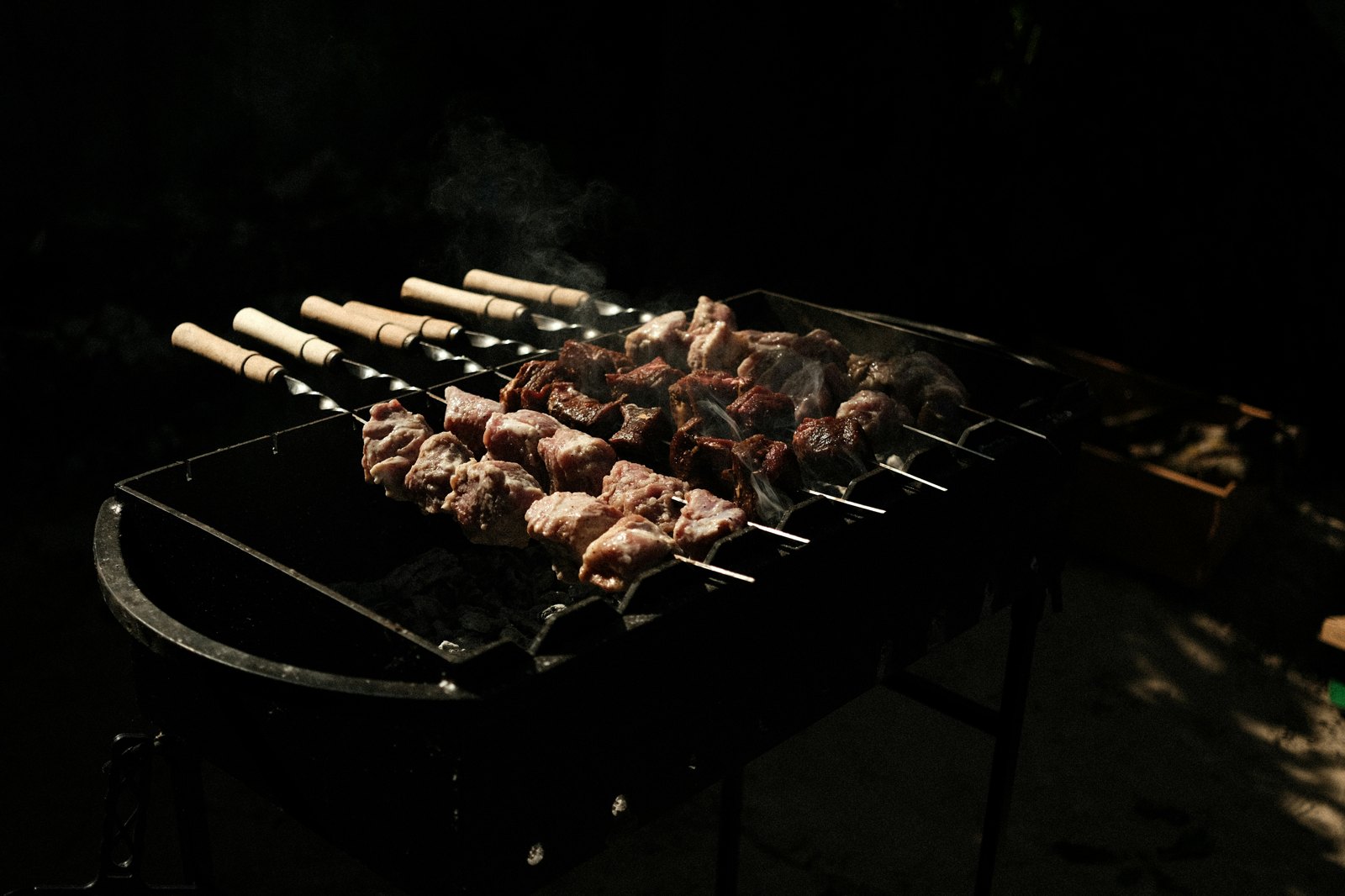
The seasoning profile is the primary differentiator. Japanese yakitori typically relies on tare sauce or salt to enhance the flavor of the meat. In contrast, the skewers at Kushiyaki Jidai are defined by a spice-heavy approach characteristic of Xinjiang cuisine. Cumin, locally referred to as “Ziran,” and chili pepper play a major role in the flavor profile. The meat is served in small pieces on metal sticks, with the surface sprinkled with sesame seeds and spices. This method of grilling is a staple of Chinese snack culture, where grilled street food is traditionally paired with alcohol.
More Than Just Meat
For all the noise surrounding the popularity of lamb, the variety of the menu offers a broader glimpse into Chinese grilling traditions. Unlike Japanese yakitori, which is predominantly meat-based, the “shaokao” culture embraces a wider range of ingredients. The lineup at Kushiyaki Jidai includes skewers of garlic sprouts and other unique vegetables.
This mix of meat and vegetables reflects a fundamental aspect of Chinese skewer culture: the freedom to grill diverse ingredients together. It offers a more varied grilling experience than what is typically found in a Japanese yakitori shop. The presence of these vegetable options underscores that the “skewer era” is not just about the protein, but about the communal and social aspect of eating grilled street food.
Location and Context in Ueno
Kushiyaki Jidai is situated in a hub that already possesses a strong identity for Chinese cuisine. The area around Ueno and Okachimachi is home to a concentration of restaurants serving dishes from various parts of China. It would seem that this neighborhood has long been a destination for those seeking authentic regional flavors, from mapo tofu to xiao long bao.
However, Kushiyaki Jidai stands out for its immersive atmosphere. While many establishments in the district focus on specific regional dishes, this izakaya emphasizes the dining culture itself. The shop is located just a one-minute walk from Tokyo Metro Ueno-Hirokoji Station and approximately three minutes from JR Okachimachi Station. This proximity to major transit points makes it accessible for both locals and tourists exploring the Ueno area. The establishment fits into the broader diversity of Tokyo’s izakaya scene by offering a cultural twist that goes beyond the plate.
Practical Details for Visitors
For those planning a visit, the budget is positioned as mid-range. This price point suggests a casual dining experience where the focus is on the atmosphere and the skewers rather than high-end exclusivity.
The shop’s name and design play on the idea of a “skewer era,” reflecting the broader Chinese cultural habit of enjoying grilled street food paired with drinks. It is a concept that might be unfamiliar to those whose experience of Chinese food is limited to stir-fries or dumplings. The establishment allows visitors to experience this specific aspect of Chinese dining culture while still in Tokyo.
It is worth noting that menus, prices, and business hours are subject to change. The most current information is available via Tabelog, the Japanese restaurant review site. For the full experience, visitors are encouraged to check the latest details before visiting, ensuring they can enjoy the retro streetscape and the spice-laden lamb skewers without interruption. The unique blend of nostalgia and flavor makes this a notable stop for anyone interested in the intersection of food and cultural history in Tokyo.
Sources
Photo: Andrew Peat. [email protected] (CC BY-SA 4.0)