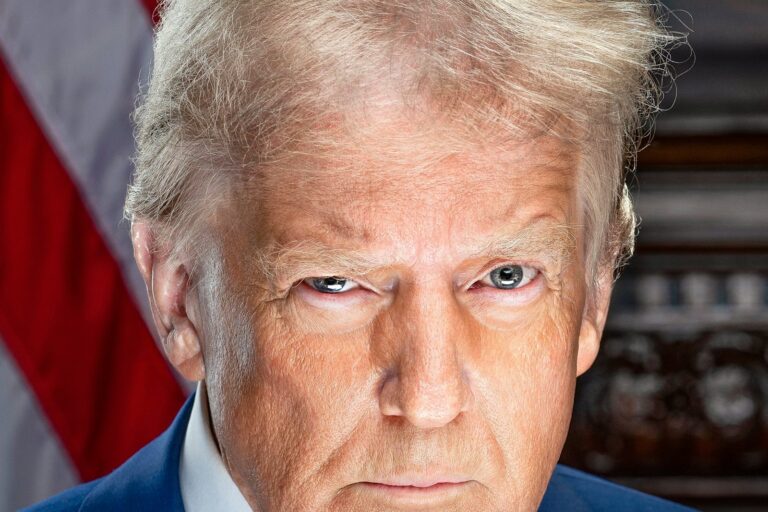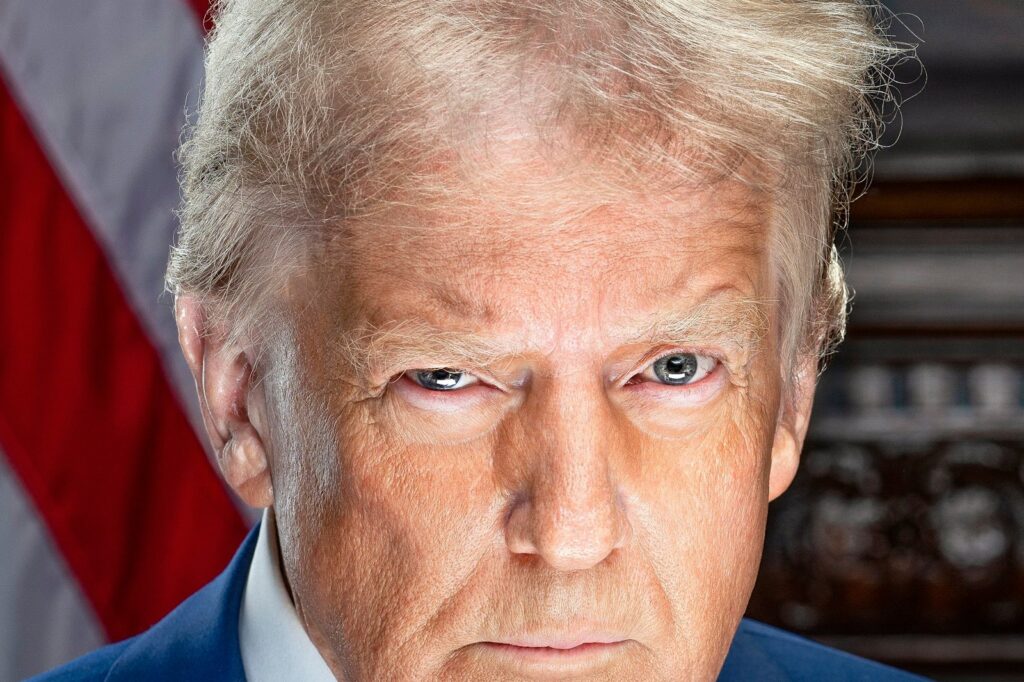
Beijing’s diplomatic posture toward Washington hinges on a single variable this Tuesday: whether Donald Trump retains enough congressional support to keep his party’s hawks in check. As American voters head to the polls on November 3, 2026, Chinese leadership is monitoring the results with an intensity that belies its official silence on US domestic politics.
The High-Stakes Investment
President Xi Jinping has poured significant capital into his relationship with Trump, holding two summits this year and expecting two more to solidify friendlier ties, according to Newsweek. The return on this investment has been substantial for China. A “constructive relationship of strategic stability” agreed upon by the two leaders has provided the ballast Xi needs to steady the Chinese economy. It has also created a window of stability allowing him to clean house in the military ahead of his own leadership renewal next year.
China insists the midterms are a purely US domestic issue and refuses to comment on the outcome. However, the salient point is that Beijing has a preferred result. It views Trump’s transactional diplomacy, rooted in economic gains rather than Western values like human rights or democracy, as a manageable partner. An America focused on the Western Hemisphere and largely indifferent to the Global South suits Beijing just fine, as it is happy to lead the global institutions the US no longer cares to occupy.
How the Detente Works
The current calm was secured at the summit in Busan, South Korea, one year ago. There, the two sides agreed to scale back an escalating tariff war in exchange for specific deliverables, including a Chinese commitment to buy US soybeans and reduce export controls on rare earth metals. Washington views this truce through the lens of trade, but Beijing sees it as a strategic pause.
This stability has allowed Beijing to quietly advance its agenda in other parts of the world. The US war with Iran has served as a useful distraction for Xi as his government pushes its own claims in the Indo-Pacific. Meanwhile, stability with China has helped Trump secure his desired interests closer to home, specifically in Venezuela and Greenland. The pomp and ceremony of back-to-back state visits in Beijing and Washington, D.C., have won over Trump and even softened the views of ordinary Americans on China, resulting in two rival leaders who now rarely stand in each other’s way.
The Risk of a Democratic Sweep
The danger for Beijing lies in the possibility of a Democratic sweep in the midterms. If Democrats take control of Congress, the delicate detente could be upset. The first Trump administration ended relations bitterly with Beijing, and US public opinion on China fell to historic lows during the COVID-19 pandemic. It was not clear at the time that relations could ever recover. Xi responded to Trump’s personal style of flattering leadership diplomacy with apparent enthusiasm, and it has paid off. A shift in congressional power could reverse that trajectory, potentially re-opening frontiers of conflict that the current administration has kept closed.
Trump’s approval rating is currently sitting at about 38%, down from just over 50% at the start of his term, according to polling data cited by the BBC. This decline has given Democrats hope of winning both chambers of Congress. They are setting their sights on states that Republicans have won consistently in recent years, driven by cost of living concerns and frustration with the president.
The Numbers on the Ground
The math for the Democrats is tight but achievable. They need a net gain of four seats to win control of the House, according to NBC News analysis. The current Republican majority in the House is as thin as it gets, with 218 representatives, the exact number needed to have control, plus one independent who votes with them. Because all 435 seats are up for election, the party in power is historically vulnerable to losses.
The Cook Political Report suggests that just 18 districts are “toss-ups” that could be won by either party. Of those, 14 are currently held by Republicans and four by Democrats. Even if the Democrats did not win any of the toss-ups, they would still win the House if they took the 36 seats classed as likely or leaning Democratic. This narrow margin means that a small shift in voter sentiment in a handful of districts could determine whether Trump retains his legislative support or faces opposition for the final two years of his presidency.
Trump’s Control Over His Party
Beijing’s calculation rests on the belief that Trump has an absolute hold over the Republican Party. If the GOP wins again, Beijing expects him to keep his party’s hawks in check, maintaining the status quo. In the past, tensions between Trump and Republican hardliners have been managed through his personal authority. The current administration has shown a willingness to bypass traditional diplomatic channels in favor of direct, personal engagement, a style Beijing has adapted to with success.
However, the political environment is shifting. Top Trump administration officials have taken to the campaign trail to boost Republican candidates, with Commerce Secretary Howard Lutnick, FCC Chair Brendan Carr, and Interior Secretary Doug Burgum appearing alongside Trump to support Republican candidates, according to TIME. Legal experts contend that these moves may violate the Hatch Act, a decades-old law restricting political activities for federal employees. The administration argues these officials acted in a personal capacity, but the volume of complaints suggests a party deeply invested in retaining power. This high level of engagement from the executive branch underscores how much the administration’s future depends on the outcome of these elections.
What Comes Next for Beijing
For China, the next 24 hours will determine the strategic landscape for the rest of the decade. A Republican hold on Congress would likely allow Xi to continue his military cleanup and prepare for his leadership renewal with fewer external pressures. A Democratic takeover, however, could disrupt this timeline, forcing Beijing to recalibrate its approach to the US and potentially accelerating its push for alternative global alliances.
The 2026 midterms are being held on Tuesday, November 3, 2026. The winners of this election will serve in the 120th United States Congress. With Trump’s approval at 38% and Democrats needing a net gain of four seats to take the House, the margin for error for the Republicans is slim. Beijing, for all its silence, is watching the exit polls as closely as any American voter.
Sources
- China has a lot riding on Trump's GOP in the midterms
- 2026 United States House of Representatives elections
- Who will win the midterms? How the US elections will be won and lost
- Midterm Elections 2026: Congress Polls, Charts and More
- Trump Officials Are Hitting the Campaign Trail. Are They Allowed To?
- EXPLAINED | US Midterm Elections 2026: What’s at Stake for Trump, Republicans and Democrats?
Photo: Daniel Torok (Public domain)