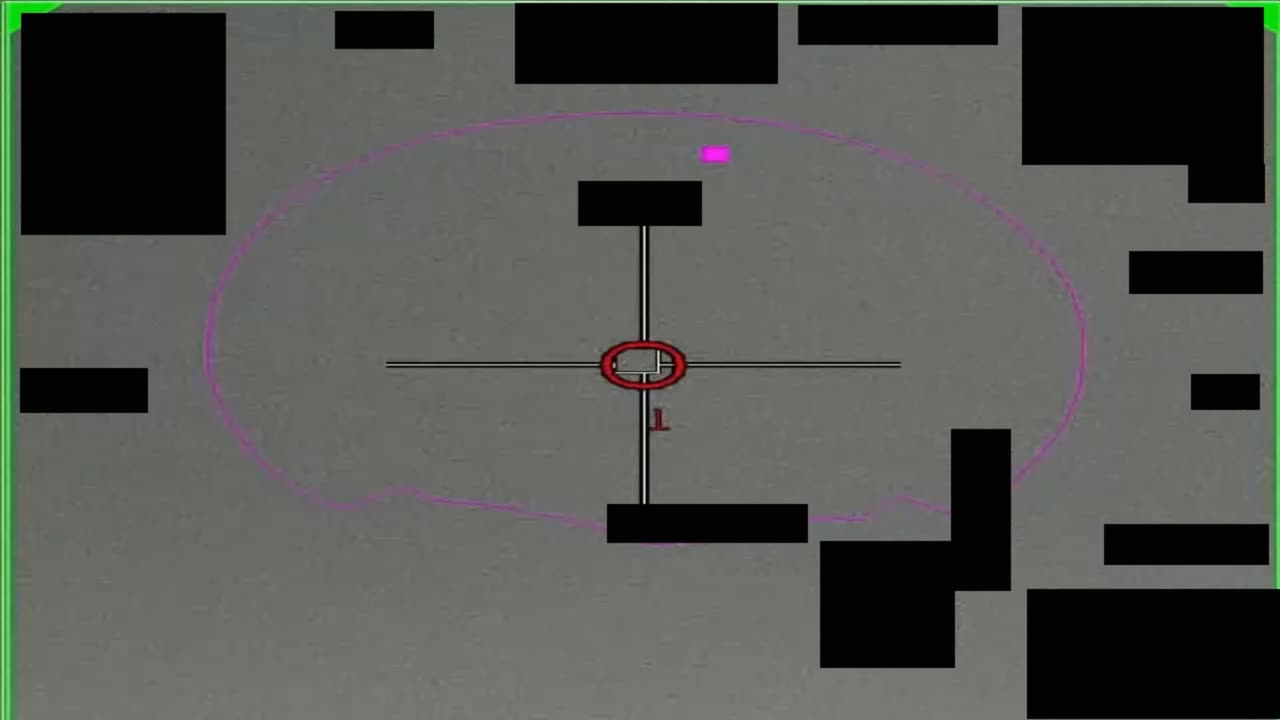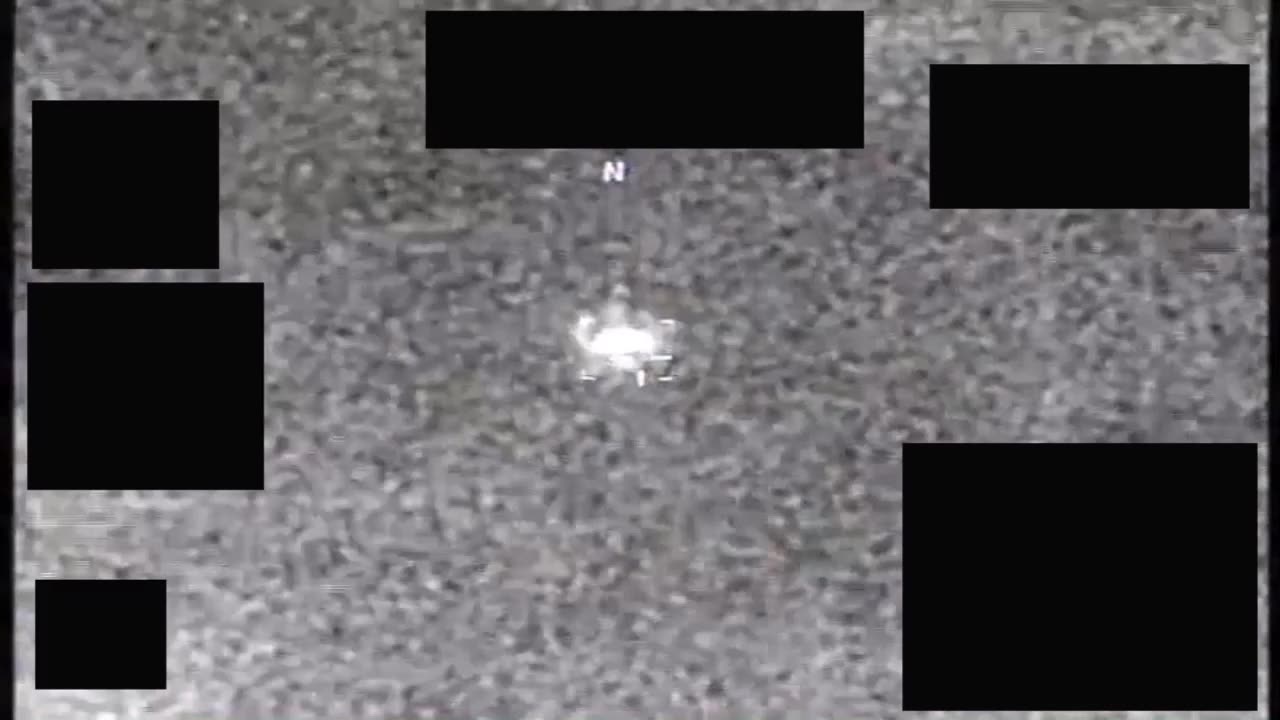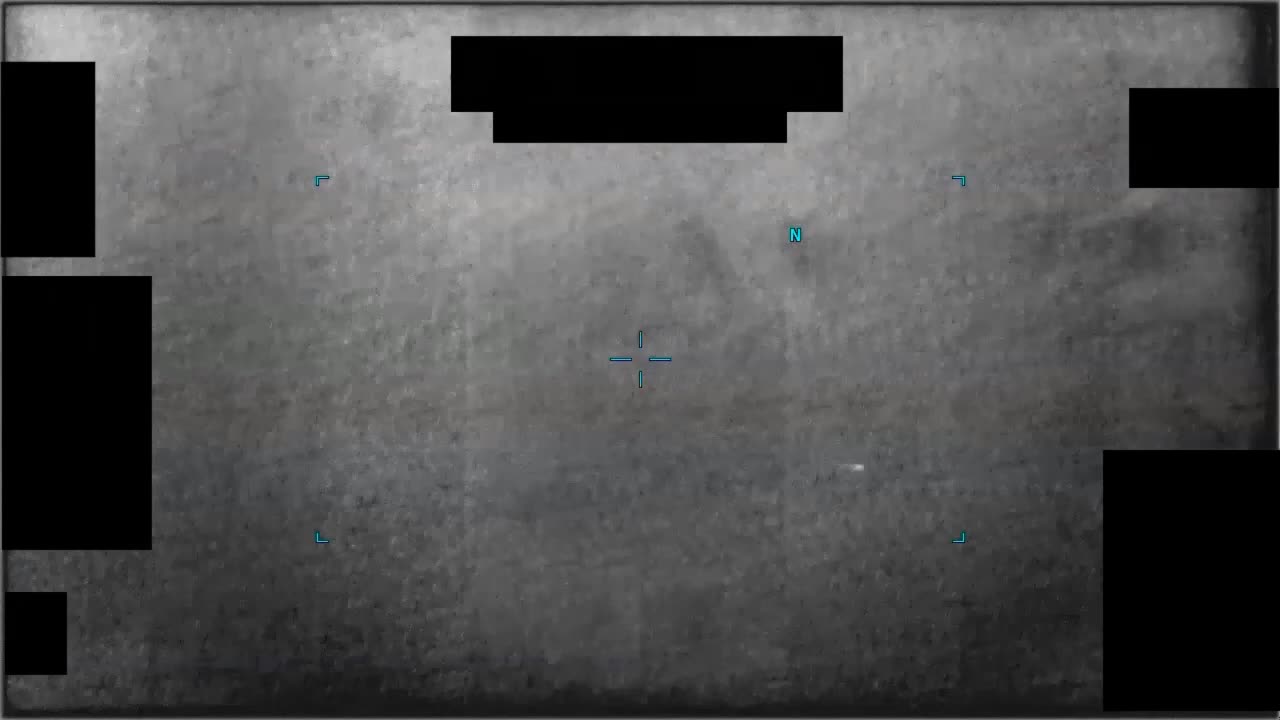
The Department of War released a video last week of two unidentified objects over the Gulf of Arabia. The footage, dated May 5, 2020, is now public under the Pentagon’s PURSUE policy. But the video itself is only part of the story. The real news is the policy behind it.
PURSUE standardizes how the military reports and declassifies UAP encounters. That is a shift. Before, such footage leaked or sat in classified vaults. Now there is a formal process. The release of video PR095 is a direct product of that system. The file metadata lists a redacted platform callsign, a sensor suite, and an encounter date. No pilot name. No unit. No threat assessment.
That last part matters. The report states the objects were “not immediately attributable to known aircraft or natural phenomena.” That is a careful phrase. It does not say alien. It does not say drone. It says the objects maneuvered in ways the military cannot explain with its own inventory or known physics. The Gulf of Arabia is thick with naval patrols and air operations. Something got tracked by a military sensor over a busy stretch of water. The platform remains classified. Operational security, they say.
The All-domain Anomaly Resolution Office, or AARO, handles the analysis. AARO was set up in 2022. Its job is to coordinate these incidents across the Department of War and other agencies. The PURSUE policy gives them a reporting pipeline. This video is one node in that pipeline. Expect more.
The release tells us something about the government’s posture. Transparency is the stated goal. But transparency has limits. The platform is hidden. The sensor type is unspecified. Altitude and speed are absent from the metadata. We see two objects moving. We do not see how fast, how high, or what exactly saw them. The report does not say whether the objects posed a threat. It does not say if allied or commercial sensors corroborated the track.
That is the pattern. The government releases enough to show it is working the problem. Not enough to let outsiders fully assess the data. The PURSUE policy is a framework for controlled disclosure. It is not an open door.
The Gulf of Arabia location is not accidental. It is a high-traffic zone for American and allied forces. Carrier groups, surveillance aircraft, patrol boats. If UAP operate there, they operate near some of the most advanced sensors on the planet. The video is evidence that those sensors are picking things up. But the video is also evidence that the military is still unsure what those things are.
This is where the analysis leads. The Pentagon has moved from denial to acknowledgment to structured release. The next step is correlation. Do these objects match radar data from commercial airliners? Do they show up on satellite imagery? The report does not answer that. It only says the objects were tracked by the platform’s sensor suite. That could mean radar, electro-optical, infrared, or all three.
The PURSUE policy forces a routine. When a sensor locks onto something anomalous, the encounter gets filed, reviewed, and potentially declassified. The video is the visible product. The invisible product is the data AARO collects. That data, over time, will either confirm a pattern or rule one out.
For now, the public gets a 2020 video of two objects over the Gulf. No names. No threats. No explanations. Just the policy, the platform, and the phenomena.